
TOPICS
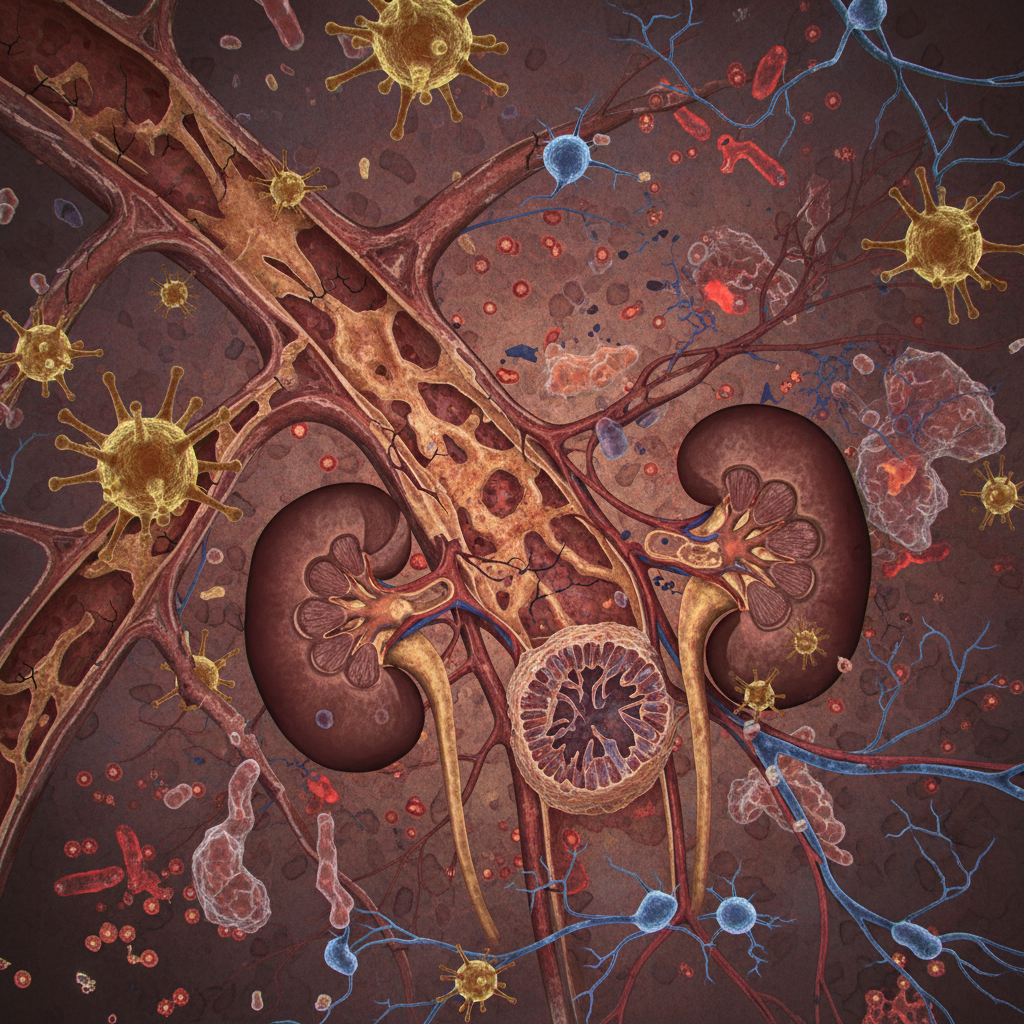
Advanced Glycation End Products
I have occasionally complained about my mother in law’s bland cooking methods. Boiled this, steamed that. How about a sauté? How about frying something? And yet, she is aging gracefully and the scientific evidence has begun to justify her insipid cooking. A growing body of research shows that advanced glycation end products (AGEs) sit at…
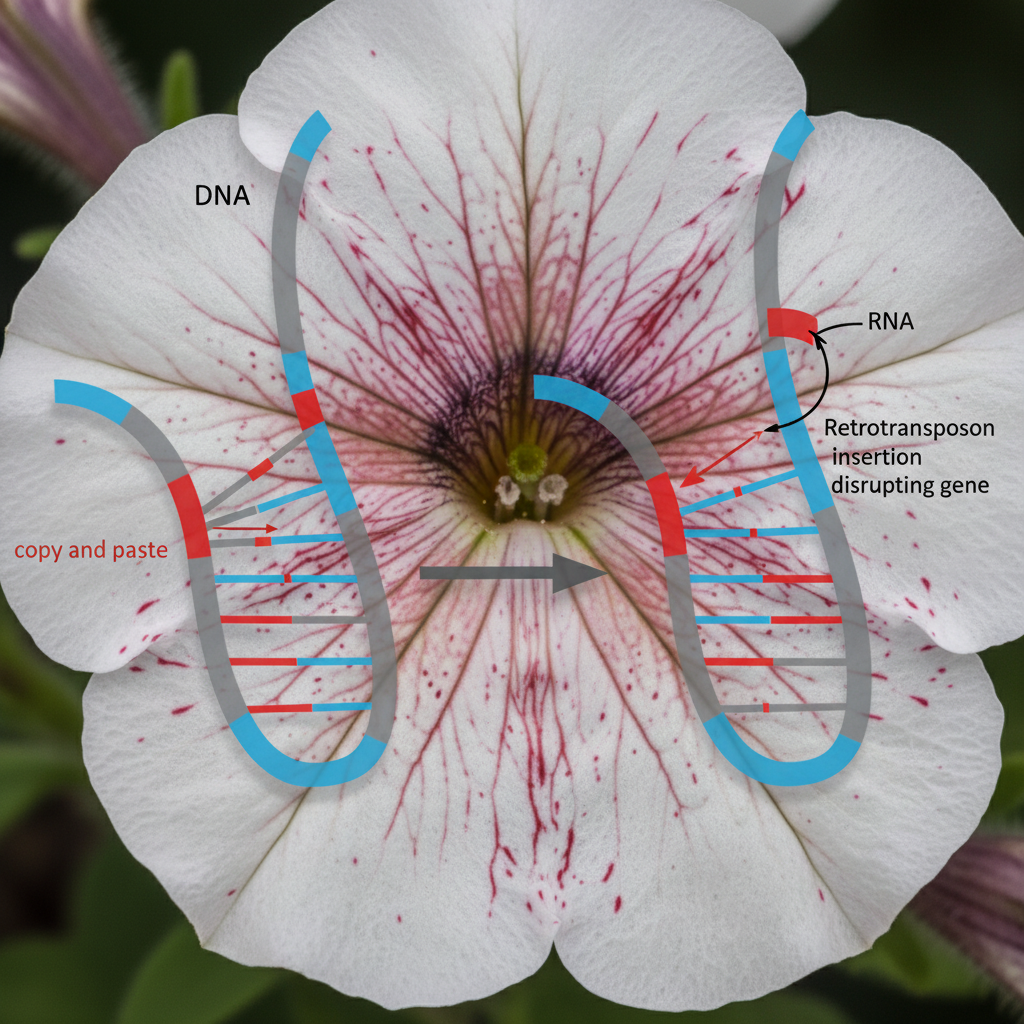
Transposons and Aging
Aging is often described as the slow accumulation of damage—oxidative stress, mitochondrial decline, epigenetic drift. But one of the most intriguing and increasingly central players in this process isn’t a metabolic byproduct or a failing repair system. It’s a piece of DNA that behaves like it still remembers being a virus. These sequences are called…

Why do we have to die?
If we are to understand aging, the primary question is why should there be aging and death in the first place? Why is it almost universal in living organisms and what evolutionary purpose, if any, might aging and death serve? First let’s clarify that I don’t have any formal education in evolutionary biology, I think…

Circadian interventions
We have internal rhythms that align with the rotation of the planet. Most famously, there is the rhythmic secretion of melatonin at night and a spike of cortisol in the morning. These and myriad other oscillations are controlled by aptly named clock genes that are present in every cell of the body. Clock genes work…
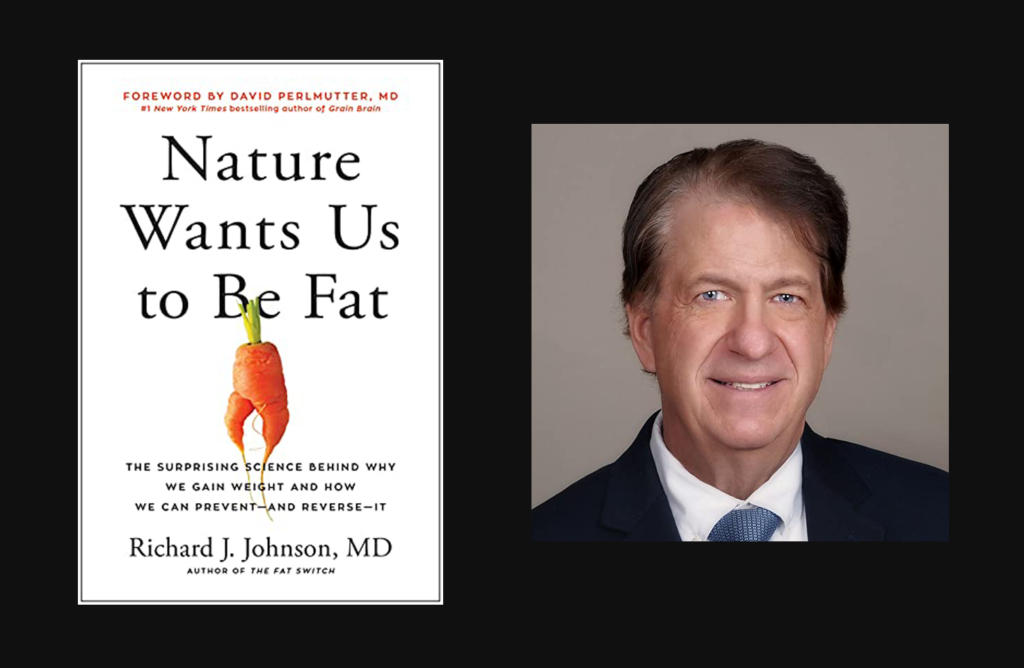
Why Nature Wants Us to be Fat by Richard Johnson
The two popular theories that purport to explain the obesity pandemic are the carbohydrate insulin model and the standard model of energy balance. In Why Nature Wants Us to be Fat, nephrologist Richard Johnson bravely proposes another theory: the survival switch. In his formulation, nature has evolved a survival mechanism allowing organisms to rapidly gain weight…
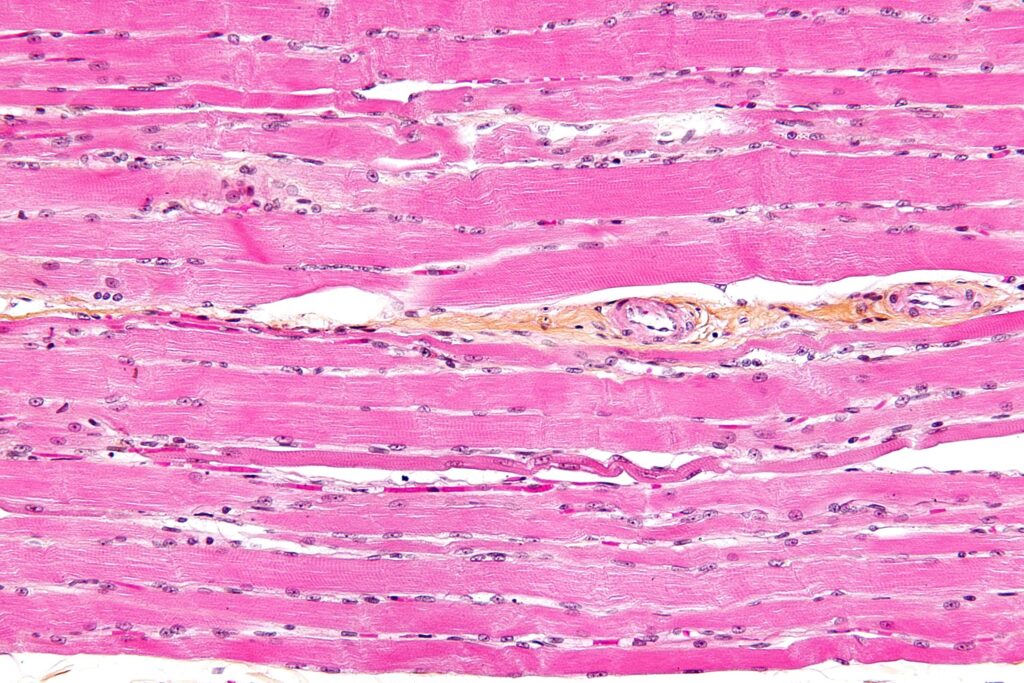
Muscle, Protein and Aging
Muscle is a metabolically active tissue that plays a central role in health and longevity. Beyond functional roles such as helping one get up from a chair, going up stairs and avoiding falls as we age, muscle accounts for 75% of glucose disposal and makes the greatest contribution to resting energy expenditure of any tissue…
Metabolic Syndrome
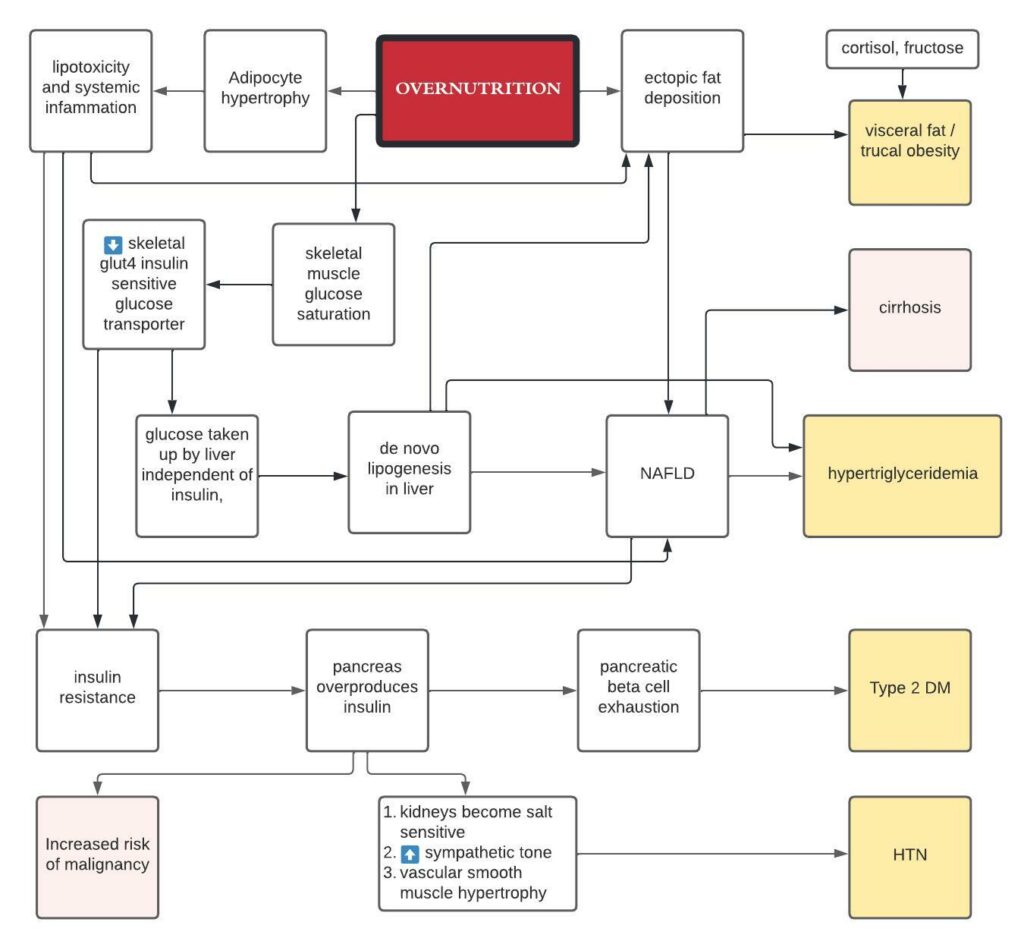
The diagram below details how overfeeding will lead to the so-called metabolic syndrome, a cluster of conditions that are linked and can lead to vascular disease, stroke and heart attacks. The components of metabolic syndrome are hypertriglyceridemia, truncal obesity, hypertension, diabetes and low HDL. This diagram is a simplification, it elaborates an insulin-centric model, and…
Metabolic Flexibility
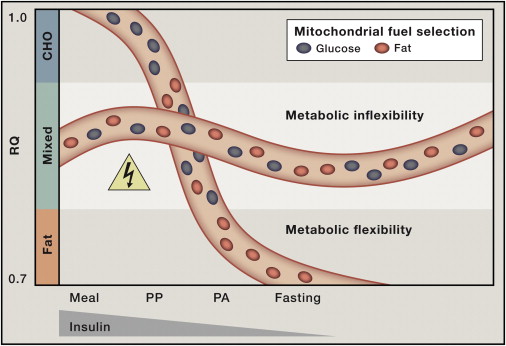
Humans evolved in the setting of periodic food scarcity during which we developed the ability to rapidly switch between different fuel sources. We are designed by evolution to burn fat in our fasting state and to burn primarily carbohydrates in our fed state in order to generate energy in the form of ATP. All of…
Autophagy
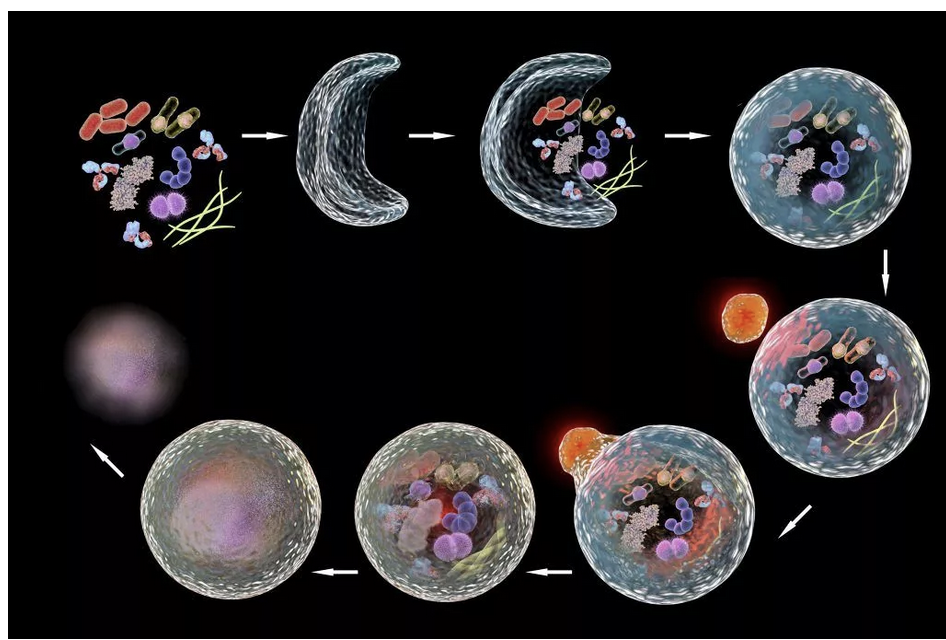
Autophagy (literally “self-eating”) is the body’s way of cleansing cells by recycling old or damaged components and is a process that appears to have a strong relationship to preventing disease and aging. More technically, it is a highly regulated lysosome-dependent catabolic program used by the body to clear dysfunctional proteins, organelles and other structures that…

Epigenetic clocks and Reprogramming
How do we measure aging? Certainly, there is the passage of time and how many birthdays someone has had, but we know that aging proceeds more quickly for some people than it does for others. The speed of aging depends on your genes but also various factors such as, for instance, whether you smoke, your…